
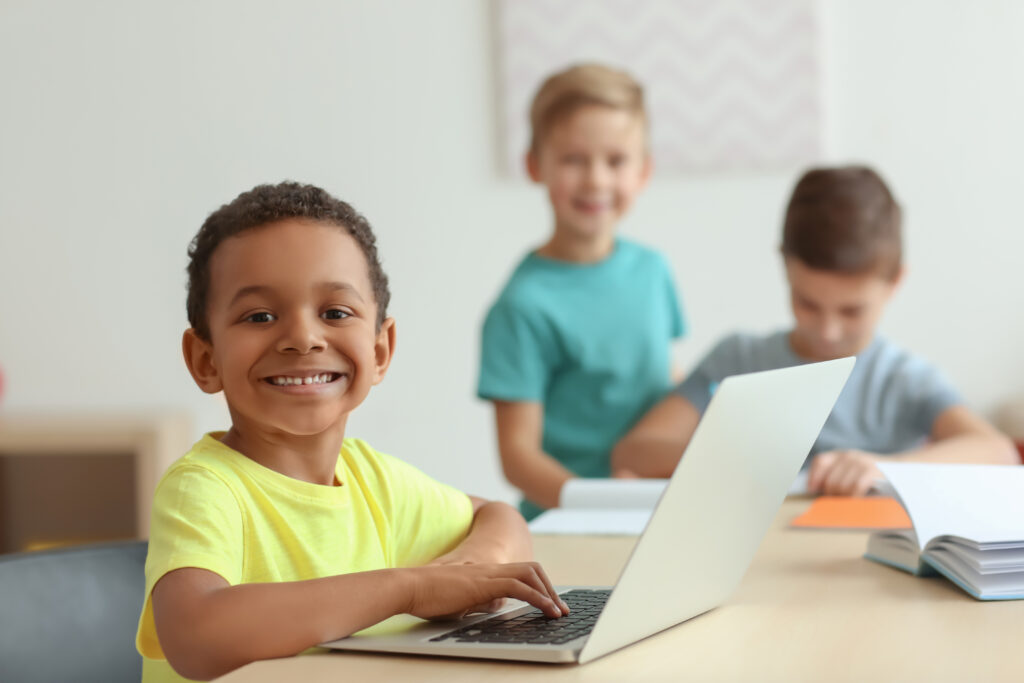
Have you ever struggled to get your kids seated during learning time? Perhaps it comes with tantrums, sour faces, or even tears. It doesn’t have to be this way.
Many parents are simply trying to figure out how to make learning fun for kids without turning it into a daily battle. The good news is, it is possible. We have seen first hand that learning can be engaging, enjoyable, and something children actually look forward to.
When learning becomes fun, everything changes. Children are more focused, more willing to participate, and they absorb concepts more effectively. It also takes the pressure off you as a parent, turning stressful moments into meaningful, productive time.
Here are 5 powerful approaches that help children stay engaged and grow confidently.
1. Learning Through Play
Children naturally love games, so one of the most effective ways to make learning fun for kids is to turn the learning process into something that feels like play.
A few days ago, I struggled to get my son to complete his math. What should have been a simple task quickly turned into resistance, distraction, and frustration. He wasn’t interested, and the more I pushed, the harder it became.
So I changed the approach. Instead of presenting it as work, I turned it into a challenge. I gave him small “missions” to complete, added simple rewards, and encouraged him to beat his previous time. Almost immediately, his attitude shifted. He became engaged, focused, and even excited to continue.
That is the power of gamification. By introducing elements like points, rewards, levels, and challenges, learning stops feeling like a chore and starts feeling like something children want to do.
When learning feels like play, children stay engaged longer, focus better, and develop a genuine interest in the process. Instead of being pushed to learn, they begin to move toward it on their own.
2. Hands-On Learning (Learning by Doing)
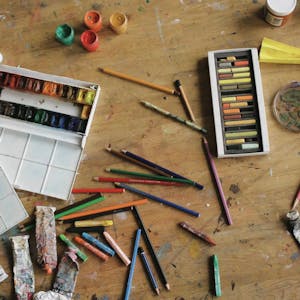
Children understand far more when they are actively involved, not just sitting and listening. One of the most effective ways to make learning fun for kids is to let them learn by doing.
Interactive learning allows children to build simple projects, experiment with ideas, and solve real problems. Instead of just hearing concepts, they experience them. That experience is what makes the learning stick.
As parents, it may require a shift. It is often easier to keep things neat, structured, and controlled. But real learning can be messy. It might mean giving them space to try, fail, adjust, and try again. It might take more time. It might require cleaning up afterward or being patient through the process.
But that is where the real growth happens.
When children are allowed to get involved, to test ideas with their own hands, and to think through problems on their own, they are not just memorizing, they are building understanding. They begin to connect ideas, think independently, and gain confidence in their ability to figure things out.
In the long run, that extra time and effort is not wasted. It is an investment in how your child thinks, learns, and approaches challenges for years to come.
3. Visual and Creative Learning
Ever walked into your child’s classroom and seen charts all over the walls, with colors popping from every corner? It is not by accident. It is intentional.
Children are naturally drawn to visuals, colors, and creative expression. These elements capture their attention and help them process information more easily. This is one of the reasons why visual and creative approaches are so effective when trying to make learning fun for kids.
When learning includes animations, graphics, and interactive visuals, it becomes more engaging and easier to understand. Instead of trying to imagine abstract ideas, children can actually see how things work in real time.
For example, instead of explaining coding concepts using plain text, visual tools can show how each line of code works as it happens. A character moves, a button responds, or an animation plays. This immediate feedback helps children connect what they are learning with what they see.
When creativity is involved, learning becomes more than just information. It becomes an experience. Children stay interested longer, understand concepts faster, and feel more confident exploring new ideas.
4. Open Communication and Interaction
Children learn better when they feel heard and involved.
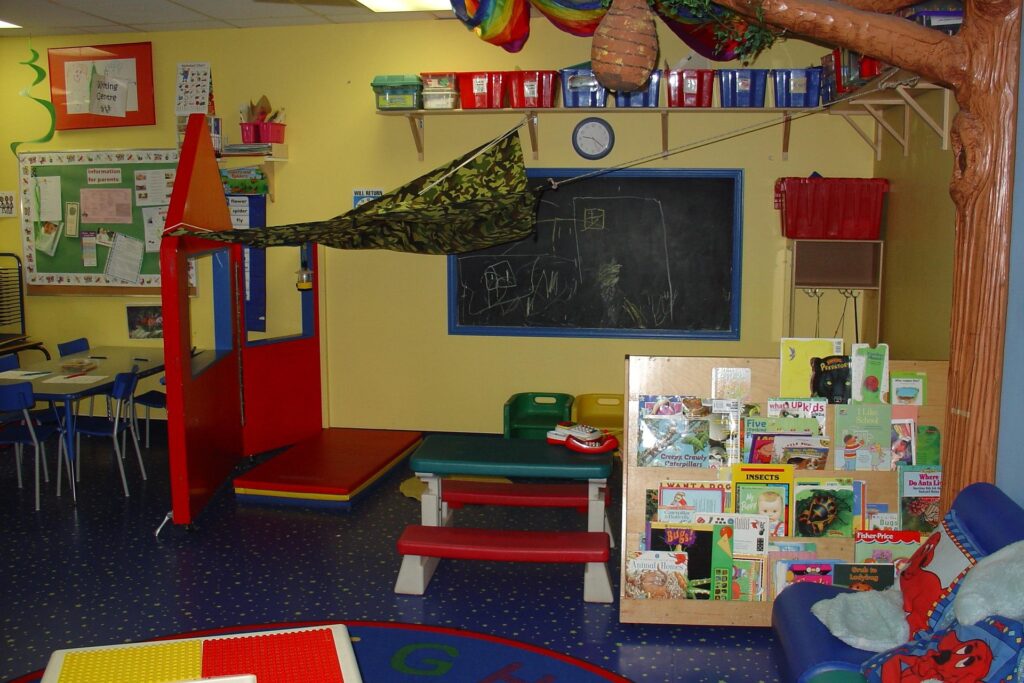
Encouraging questions, discussions, and idea sharing creates a safe learning environment where children are not afraid to express themselves or explore what they are learning.
One thing many parents overlook is this: children have not truly learned something until they are given the opportunity to communicate it. When a child explains an idea, asks a question, or shares their thinking, it reveals whether they actually understand or are just following along.
This becomes even more important when you have a quieter or more introverted child. They may not naturally speak up, but that does not mean they are not thinking. They simply need the right environment and gentle encouragement to express themselves. They should not be overlooked or left behind in the process.
Creating space for interaction does not mean forcing children to talk, but intentionally inviting them in. Asking simple questions, giving them time to respond, and showing that their thoughts matter can make a significant difference.
When children feel safe to communicate, they become more confident, more engaged, and more willing to take part in the learning process.
5. Personalized Learning Pace
Every child learns differently. Some move fast, others need more time—and that’s okay.
A progressive learning system:
- Adapts to each child’s pace
- Provides extra support when needed
- Challenges advanced learners
This ensures no child feels left behind or overwhelmed.
At Codelambs Academy, students don’t just watch. They create. Whether it’s designing a webpage or making a simple game, hands-on activities help concepts stick faster.